📞 +254 703 616141 +254 703 616141 info@sasi.co.ke

Maasai Mara, Kenya

Tracking legendary predators and witnessing epic wildlife dramas.

Overview

One of Africa’s most famous safari destinations, the Maasai Mara, is a vast, golden savannah teeming with wildlife, breathtaking scenery, and a deeply rooted culture. It forms the northern section of the Serengeti–Mara ecosystem and is home to some of the highest concentrations of wildlife in the world.

From the legendary Big Five to the annual Great Wildebeest Migration, every visit feels like stepping into a living documentary. Its rolling plains, striking sunsets, and thriving wildlife make the Mara a dream destination for photographers, nature lovers, and first-time safari travelers alike.

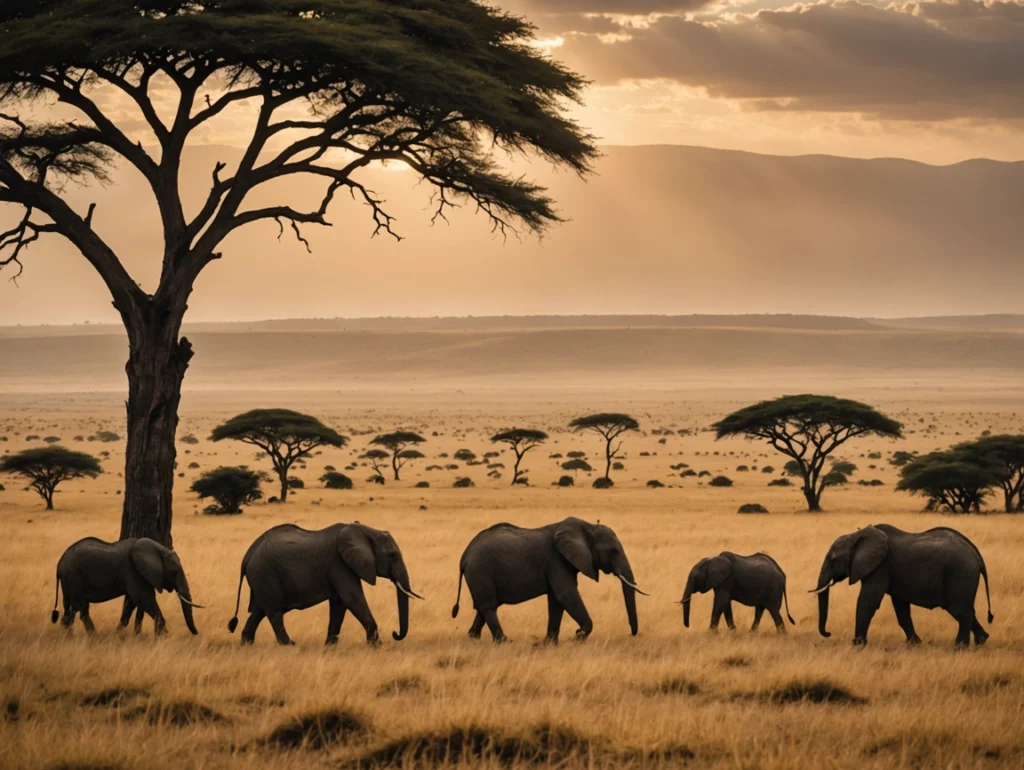
The Maasai Mara National Reserve stands as a crown jewel among Kenya’s wildlife sanctuaries, forming an iconic northern continuation of the renowned Serengeti ecosystem. It presents a quintessential African safari panorama defined by its vast, rolling grasslands, scattered acacia trees, and the life-giving Mara and Talek rivers that meander through the landscape.

This reserve is globally celebrated as the stage for the Great Migration, an unparalleled natural phenomenon. This annual cycle involves the movement of immense herds of wildebeest, zebra, and Thomson’s gazelle. The most dramatic moments of this journey are the river crossings, where nervous herds gather at the banks before plunging into crocodile-infested waters in a frantic, chaotic, and awe-inspiring struggle for survival.

Beyond this seasonal spectacle, the Maasai Mara provides consistently remarkable wildlife viewing all year. It is one of the few locations where you have an excellent chance of spotting the famed “Big “Five” namely, the lion, leopard, elephant, buffalo, and rhino. The reserve is particularly noted for its large, dominant prides of lion and is arguably one of the best places in Africa to observe the elusive leopard. The open plains also offer frequent, thrilling sightings of cheetahs utilizing their speed for hunts.

Adding a profound cultural dimension to the wilderness experience is the presence of the Maasai people, from whom the reserve gets its name. These semi-nomadic communities are known for their vibrant red robes, intricate beadwork, and rich cultural heritage. Many visits include an opportunity for a cultural tour to a local Maasai village, offering a glimpse into their traditional way of life and harmonious coexistence with the wildlife.

To accommodate every traveler, the Maasai Mara offers a diverse range of lodging options. Visitors can choose from luxurious, full-service lodges with modern amenities like swimming pools and spas or opt for authentic tented camps that provide an immersive “under canvas” experience without sacrificing comfort. For the ultimate convenience and breathtaking aerial views, fly-in safari packages are a popular choice, connecting you directly from Nairobi to the heart of the African bush.
Getting There

Best Time to Visit

January - March

Excellent
Warm, dry months with lush scenery after the short rains. Excellent predator sightings as grass levels start to shorten. Newborn wildlife is common.

April - May

Fair
The wettest period in the Mara with heavy rains and muddy roads. Fewer tourists, green landscapes, good photography opportunities; however, wildlife can be harder to spot in tall grass.

June - October

Excellent
Dry season with the Great Wildebeest Migration and dramatic river crossings. Iconic safari period with the highest wildlife visibility, plenty of predator action, and clear skies.

November - December

Good
Short, lighter rains with fresh grass and cooler conditions. Great for photography, newborn animals, and fewer crowds compared to the migration months.

Safari Experiences

Classic Game Drives

Morning, afternoon, or full-day drives giving you access to wildlife-rich plains.

Migration River Crossings (July–October)

Witness the breathtaking drama at the Mara and Talek rivers.

Hot Air Balloon Safaris

Early morning flights offering sweeping aerial views of the sunrise and roaming wildlife.

Cultural Visits

Interact with Maasai communities to understand their traditions, songs, and way of life.

Walking Safaris

Guided nature walks learning about tracks, birds, insects, and the ecosystem.

Photography Safaris

Tailored experiences for landscape, wildlife, and action photography.

Wildlife & Landscape

Big Five

  • Lion
  • Elephant
  • Buffalo
  • Leopard
  • Rhino

Other Wildlife

  • Cheetahs (famous for hunting in daylight)
  • Giraffe
  • Zebra
  • Wildebeest
  • Hippo
  • Hyena
  • Crocodiles
  • Gazelles
  • Elands
  • Topis
  • Impalas
  • Hartebeests
  • Over 50 species of predators and dozens of herbivores

Landscape Features

  • Rolling Grasslands
  • Mara & Talek Rivers
  • Escarpments (Oloololo Escarpment)
  • Seasonal Marshes
  • Open plains

Avian Species

  • Secretary birds
  • Crowned cranes
  • Ostriches
  • Vultures & eagles
  • Lilac-breasted rollers
  • Herons
  • storks
  • and bee-eaters
  • Rare migratory species (Nov to April)
  • 500+ bird species

Lodges & Camps

Mara Serena Safari Lodge

Luxury lodge with stunning views of the Maasai Mara.
View Details

Points of Interest

River Crossings

Spectacular Mara river crossings during the great migration

Scenic Photo Lookout Point

Panoramic views of the savannah and wildlife

Musira Marsh & Olare Motorogi

Big cat strongholds

Oloololo Escarpment

Offers sweeping highland views.

Talek & Sekenani Areas

Densely populated with wildlife.

Mara Triangle

Well-managed region known for excellent sightings and fewer crowds.

Conservancies

(Naboisho, Olare Motorogi, Mara North) Offer exclusive safari experiences and community-supported conservation.

Available Tours

Available Tours

No tours found for this destination.

FAQs

What is the best time for wildlife viewing?

The dry season from June to October offers the best wildlife viewing as animals gather around water sources. The great migration also occurs during this period

What should I pack for my safari?

Neutral-colored clothing, comfortable walking shoes, binoculars, camera, sunscreen, and a light jacket for early mornings.

Are children allowed on safari?

Yes, most lodges and camps welcome children, though some may have age restrictions for certain activities.

What is the accommodation like?

Accommodation ranges from luxury lodges to comfortable tented camps, all offering unique safari experiences.